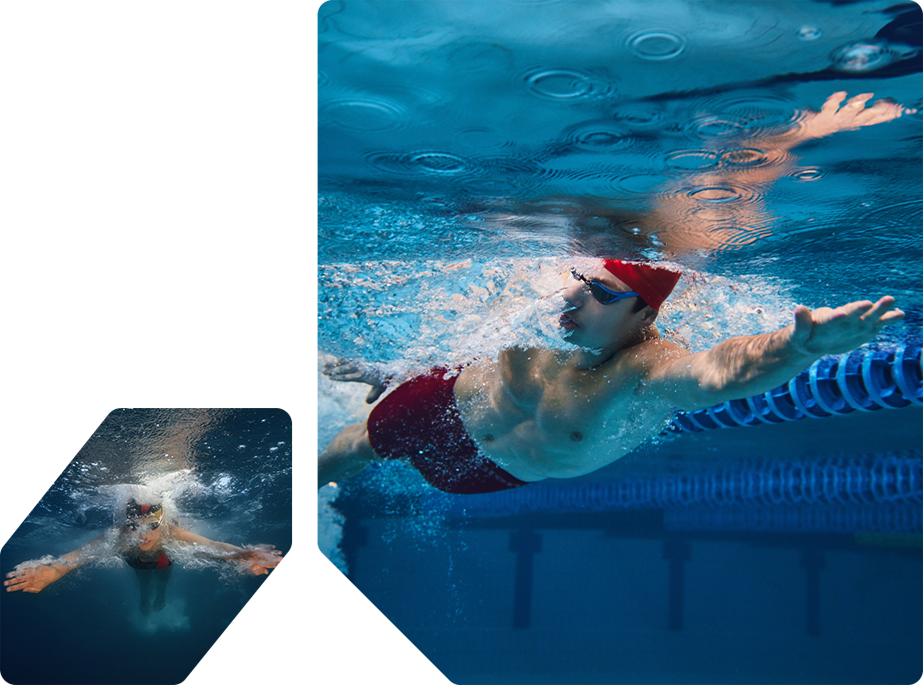
Michael Phelps

Katie Ledecky

Fernando Scherer

Natalie Coughlin

Dara Torres
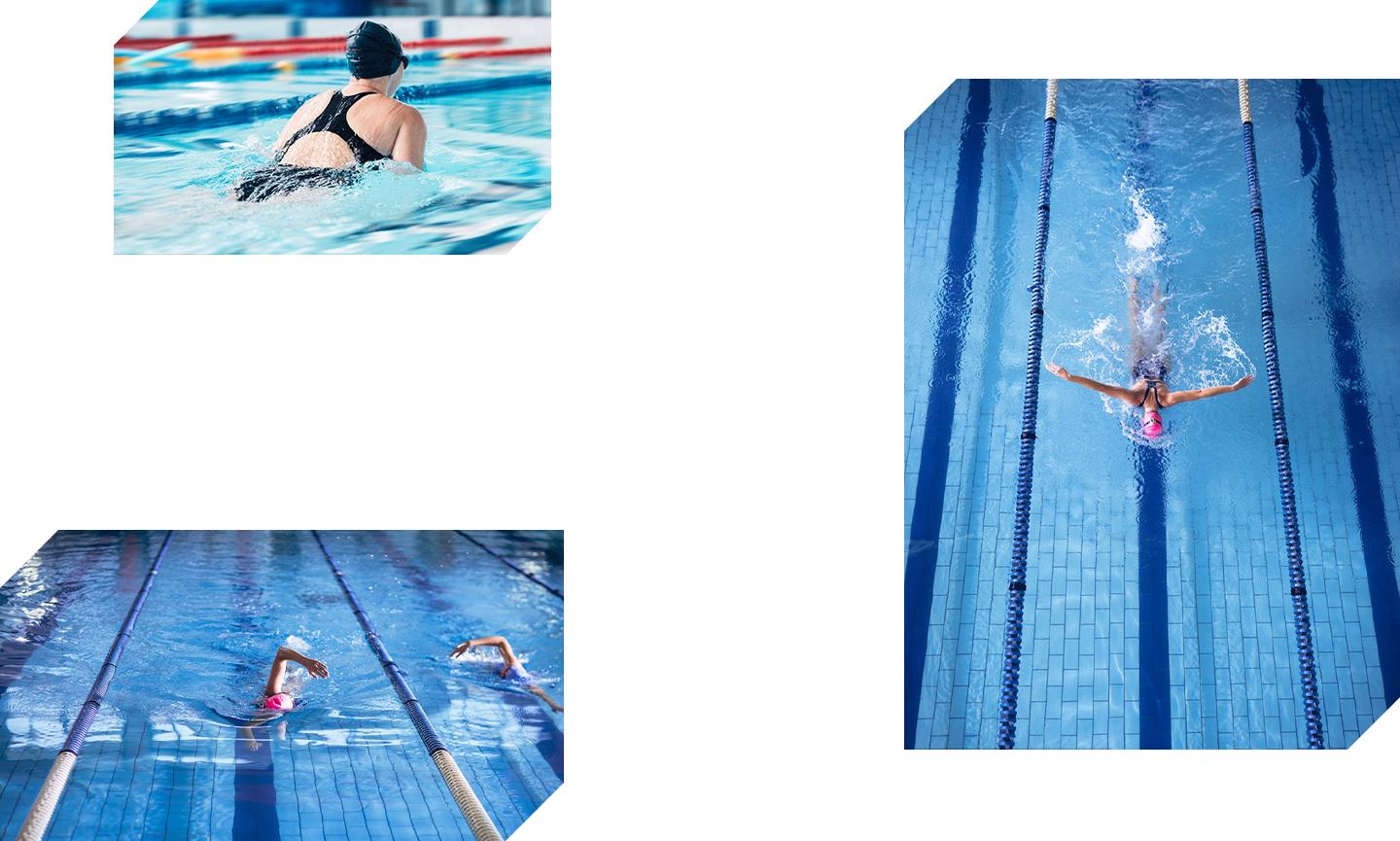
Swimming, as a globally popular sport, possesses significant international influence and potential for cross-cultural exchange. With the continuous strengthening of international sports cooperation, the exchange and collaboration in swimming have played an important role in enhancing technical skills, promoting cultural understanding, and advancing the development of global sports. Whether in improving competitive levels or in talent cultivation and resource sharing, international exchanges and cooperation have brought abundant opportunities and challenges to the development of swimming.
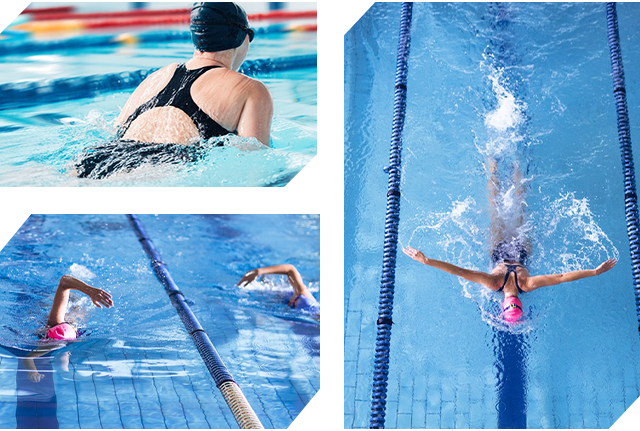
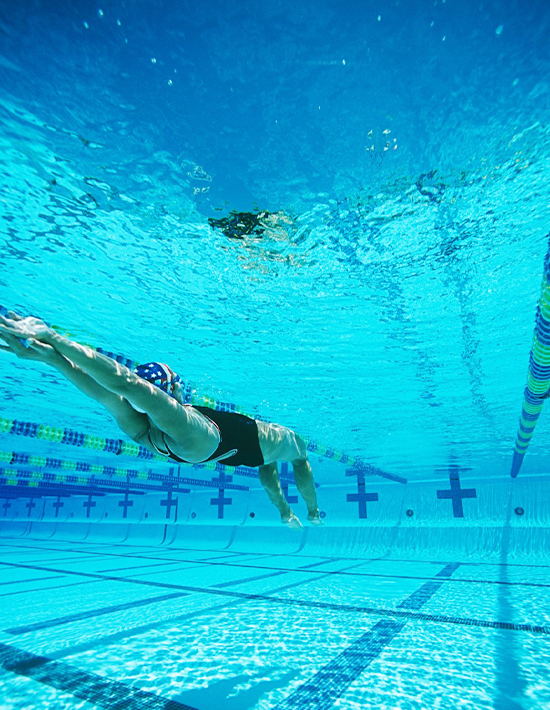
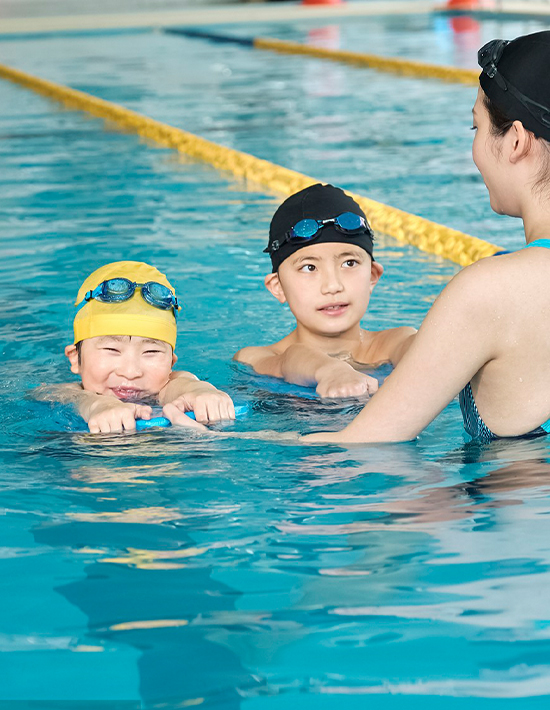

With the deepening of globalization, sports have become an important carrier of transnational and cross-cultural communication. Swimming, as a sport that transcends language and culture, is attracting more and more international attention. In international competitions (such as the Olympic Games, World Swimming Championships, etc.), swimming has become one of the most popular and spectacular events. In addition to competitive performance, international exchanges in swimming also include cooperation in training methods, technological innovation, and talent cultivation.
International cooperation in swimming is not limited to interactions between top athletes and professional coaches, but also encompasses collaboration among countries, local governments, and international organizations. Through international exchanges, countries around the world can share swimming techniques, event experiences, and strategies for cultivating outstanding athletes, thereby promoting the progress of global swimming.