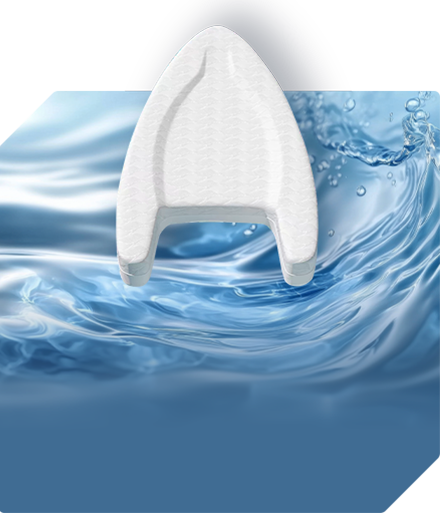
Floating boards are typically made from lightweight, waterproof materials such as EVA foam or PE plastic. Their design emphasizes buoyancy, durability, and comfortable handling, making them suitable for swimming training or water rescue purposes.
Some athletes have mentioned that floating boards help them focus on leg strength during training, especially in long-duration leg workouts, where they can effectively enhance endurance.
The disadvantages of floating boards include a reliance on the device during training, their limited functionality (primarily for leg workouts), the susceptibility of EVA material to aging and cracking, their bulky size which makes them inconvenient to carry, and the potential discomfort caused by hard models due to their rigidity.